Organize Mobile Files So You Can Actually Find Them
A practical guide to name, sort, scan, and retrieve mobile files such as receipts, downloads, IDs, PDFs, screenshots, and project exports with phone-specific checks, examples, and a short review habit.

By Mira Chen · Published June 22, 2026 · 4 min read
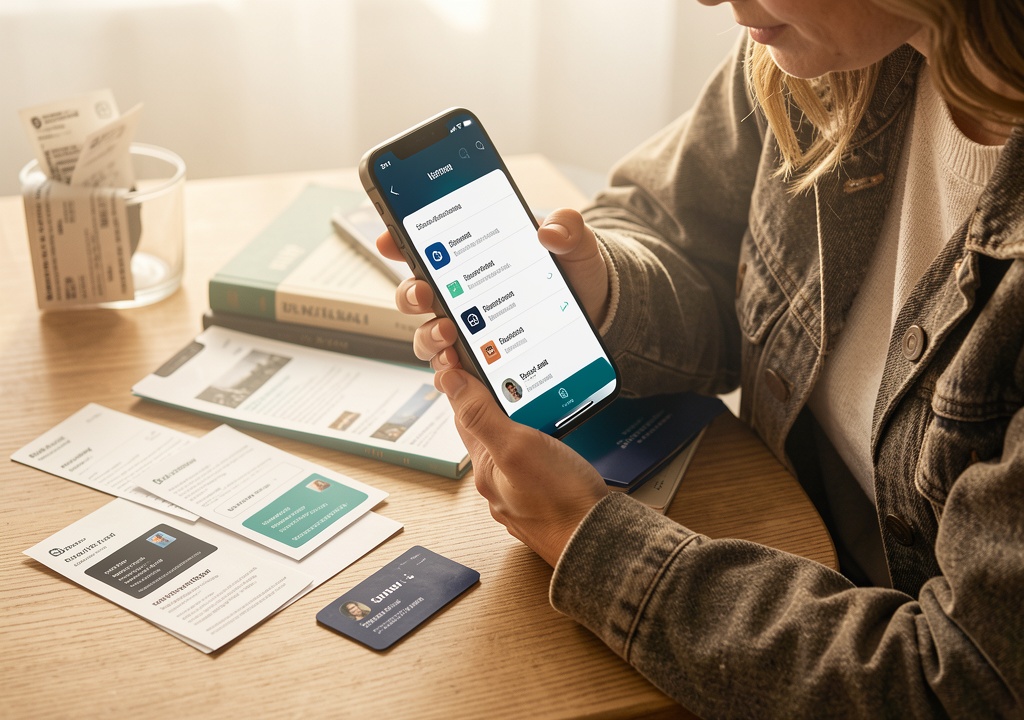
Most mobile file problems start with one downloaded PDF and become five versions of the same thing scattered across chat, cloud storage, and the downloads folder.
This guide is about how to name, sort, scan, and retrieve mobile files such as receipts, downloads, IDs, PDFs, screenshots, and project exports. The useful version is not dramatic. It is a small phone setup that still works when the day is rushed, the battery is low, and you do not have patience for a twelve-step system.
The angle here is simple: organize by retrieval question: what will you search for later?. That keeps the decision tied to behavior instead of taste. A setup can look clean and still fail if it does not answer the moment when you actually reach for the phone.
Start with the real job
Name the job before touching settings. For this topic, the job is not to make the phone look more intentional; it is to make sure a receipt, ID copy, or project export can be found in under a minute without remembering the app that created it.
That wording cuts away a lot of noise. You do not need every automation, widget, account connection, or dashboard that sounds clever. You need the pieces that protect the next action.
A good phone workflow should be easy to explain to someone else in two sentences. If the explanation takes a tour through four apps and a private naming system, the design may be serving the setup more than the person using it.
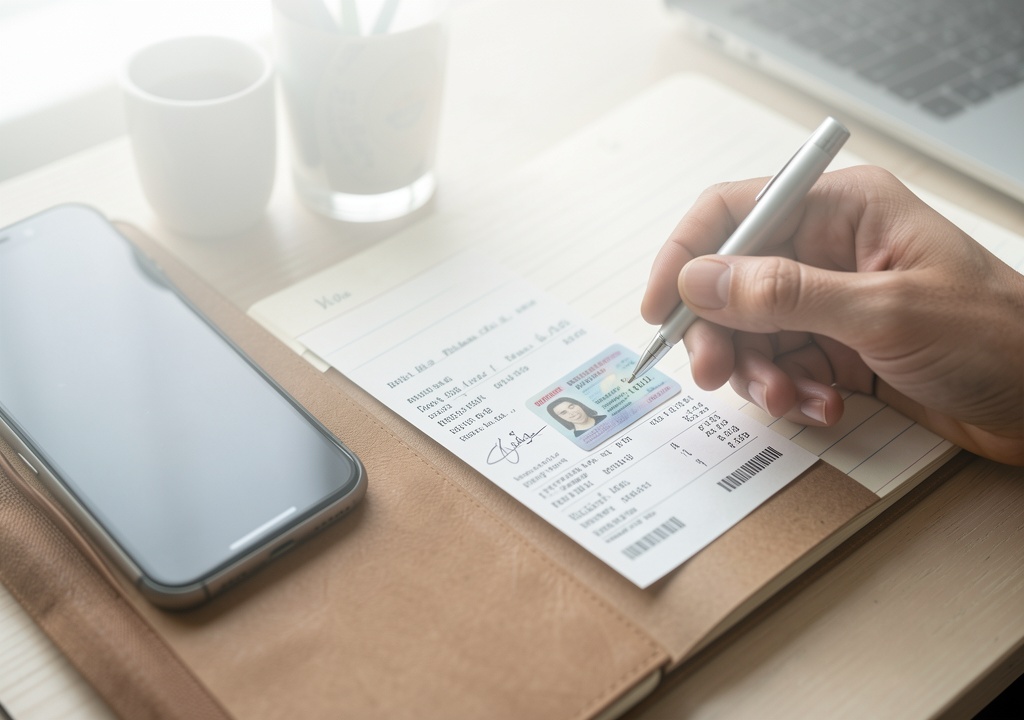
Make one pass through the phone
| Workflow part | What to check | Keep it if |
|---|---|---|
| Inbox | downloads, scans, screenshots | Clear weekly; do not let it become permanent storage. |
| Names | date, vendor or project, document type | Use names that search can understand. |
| Folders | finance, travel, work, personal admin | Keep broad folders and rely on search inside them. |
Use the table as a first pass. Open the relevant settings, apps, files, or folders and make one deliberate change. Then stop. The fastest way to ruin a practical setup is to keep improving it while the original problem is still untested.
The trap to watch for is creating many clever folders while leaving every new file named IMG_ or Scan Document. It feels productive because something on the phone changes immediately. The better question is whether the change makes tomorrow easier without requiring tomorrow to be unusually disciplined.
Run it during an ordinary week
Do not judge the setup during a perfect hour. Try it during the moment it is supposed to help: before bed, during a commute, between meetings, while preparing for travel, or when checking a new app.
- Rename important files immediately after saving.
- Move scans out of the scanner app if they matter.
- Delete duplicate downloads after sending a file.
- Keep sensitive documents in a protected location.
Keep a tiny record after the first few uses. A screenshot, a one-line note, or a checked item is enough. You are not building a performance report; you are leaving evidence for the next adjustment.
If the setup fails, shrink it before replacing it. Remove one app, one permission, one badge, one folder, or one review step. Phones become calmer when they ask for less maintenance.
What a good result feels like
The result should feel almost plain. You open the phone, see the right cue, act, and leave. There is less hunting, less double-checking, and fewer moments where one useful tap turns into an unrelated session.
That is why the measure matters: a receipt, ID copy, or project export can be found in under a minute without remembering the app that created it. If that does not happen, the setup is probably too broad or solving a problem you only have in theory.
Related reading
For connected decisions, continue with A Simple Backup Routine Before You Change Phones, The Travel App Folder You Should Build Before the Trip and Build a Mobile Dashboard for a Side Project. Those guides handle nearby parts of the same phone-first system without forcing every problem into one giant dashboard.
Keep the part that earns its place
Organize Mobile Files So You Can Actually Find Them works when the phone becomes a little less slippery. Keep the part that lowers friction in a real moment. Remove the part that mainly gives you something else to check.
The best version is usually modest. It does one job clearly, respects your attention, and leaves a trail you can review later. That is enough.
Read next
A Simple Backup Routine Before You Change Phones
A field-tested guide to prepare photos, messages, authenticator apps, documents, and critical app data before switching phones with concrete phone checks, examples, and a short review path.

The Travel App Folder You Should Build Before the Trip
A field-tested guide to prepare a travel folder with offline maps, tickets, translation, weather, documents, and emergency access before leaving with concrete phone checks, examples, and a short review path.

Build a Mobile Dashboard for a Side Project
A field-tested guide to create a compact phone dashboard for notes, files, tasks, lightweight metrics, and next steps for a side project with concrete phone checks, examples, and a short review path.