Use Focus Modes as Workflows, Not Just Silence
A practical guide to turn focus modes into context profiles for work, home, reading, travel, and recovery instead of muting everything with phone-specific checks, examples, and a short review habit.

By Mira Chen · Published June 19, 2026 · Updated June 22, 2026 · 4 min read

A focus mode that only silences the phone can help for one afternoon. A focus mode tied to a real context can set up the apps, people, and screens that belong there.
This guide is about how to turn focus modes into context profiles for work, home, reading, travel, and recovery instead of muting everything. The useful version is not dramatic. It is a small phone setup that still works when the day is rushed, the battery is low, and you do not have patience for a twelve-step system.
The angle here is simple: design modes by job, not by mood. That keeps the decision tied to behavior instead of taste. A setup can look clean and still fail if it does not answer the moment when you actually reach for the phone.
Start with the real job
Name the job before touching settings. For this topic, the job is not to make the phone look more intentional; it is to make sure switching focus changes what the phone offers without hiding something genuinely important.
That wording cuts away a lot of noise. You do not need every automation, widget, account connection, or dashboard that sounds clever. You need the pieces that protect the next action.
A good phone workflow should be easy to explain to someone else in two sentences. If the explanation takes a tour through four apps and a private naming system, the design may be serving the setup more than the person using it.
Make one pass through the phone
| Workflow part | What to check | Keep it if |
|---|---|---|
| Work | calendar, task app, selected people | Allow interruptions that protect the work, not every work app. |
| Reading | reader, notes, music, no badges | Make the phone feel narrower on purpose. |
| Travel | maps, tickets, translation, family contacts | Let location tools through while blocking noise. |
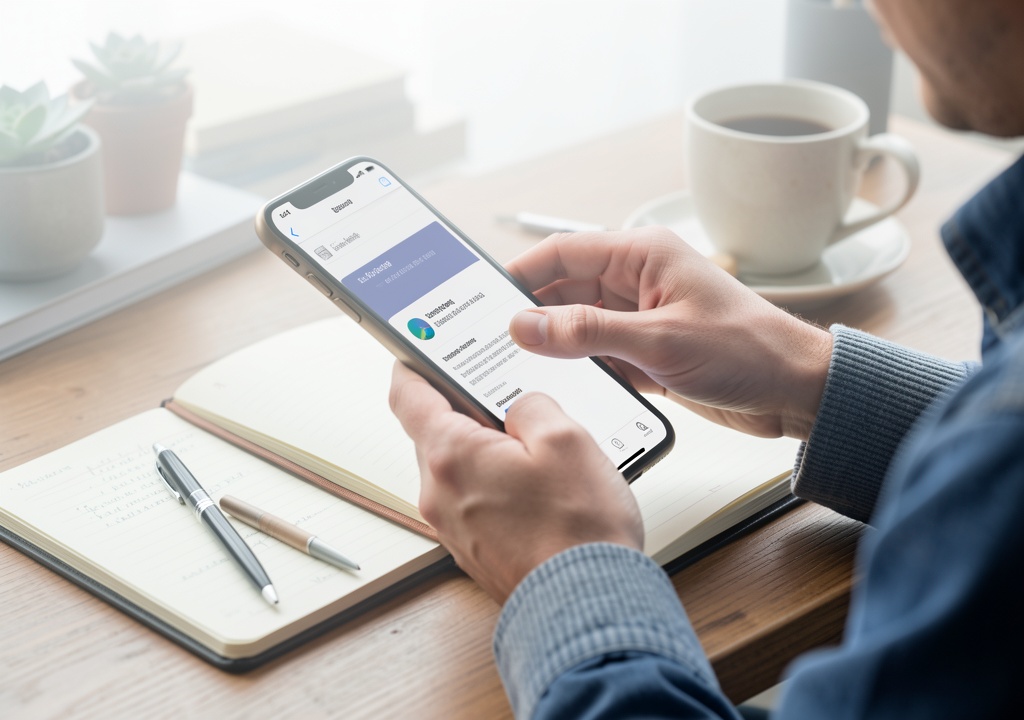
Use the table as a first pass. Open the relevant settings, apps, files, or folders and make one deliberate change. Then stop. The fastest way to ruin a practical setup is to keep improving it while the original problem is still untested.
The trap to watch for is using focus mode as punishment after a distracted day instead of designing it before the context begins. It feels productive because something on the phone changes immediately. The better question is whether the change makes tomorrow easier without requiring tomorrow to be unusually disciplined.
Run it during an ordinary week
Do not judge the setup during a perfect hour. Try it during the moment it is supposed to help: before bed, during a commute, between meetings, while preparing for travel, or when checking a new app.
- Start with two focus modes, not seven.
- Attach a home screen only if it reduces taps.
- Write the allowed contacts list carefully.
- Review missed notifications before tightening rules.
Keep a tiny record after the first few uses. A screenshot, a one-line note, or a checked item is enough. You are not building a performance report; you are leaving evidence for the next adjustment.
If the setup fails, shrink it before replacing it. Remove one app, one permission, one badge, one folder, or one review step. Phones become calmer when they ask for less maintenance.
What a good result feels like
The result should feel almost plain. You open the phone, see the right cue, act, and leave. There is less hunting, less double-checking, and fewer moments where one useful tap turns into an unrelated session.
That is why the measure matters: switching focus changes what the phone offers without hiding something genuinely important. If that does not happen, the setup is probably too broad or solving a problem you only have in theory.
Related reading
For connected decisions, continue with Build a Calendar Widget Rhythm That Actually Helps, Turn Your Phone Home Screen Into a Command Center and A Task App Triage System for Busy Weeks. Those guides handle nearby parts of the same phone-first system without forcing every problem into one giant dashboard.
Keep the part that earns its place
Use Focus Modes as Workflows, Not Just Silence works when the phone becomes a little less slippery. Keep the part that lowers friction in a real moment. Remove the part that mainly gives you something else to check.
The best version is usually modest. It does one job clearly, respects your attention, and leaves a trail you can review later. That is enough.
Read next

Build a Calendar Widget Rhythm That Actually Helps
A field-tested guide to make calendar widgets useful for context rather than turning the home screen into a tiny meeting wall with concrete phone checks, examples, and a short review path.
Turn Your Phone Home Screen Into a Command Center
A field-tested guide to shape the first phone screen around capture, decisions, and return paths with concrete phone checks, examples, and a short review path.

A Task App Triage System for Busy Weeks
A field-tested guide to sort tasks on a phone during overloaded weeks without turning the task app into a second job with concrete phone checks, examples, and a short review path.